Whether you’ve got a fully formed idea that needs a fresh set of eyes or nothing but a blank page, we’ll jump in at whatever stage you’re at. On the creative side, that means ideation, storyboarding, narrative breakdowns and art direction. On the strategy side, we look at your brand pillars and your social channels to work out what to make, where it should live and how it’ll land with your audience, shaping the thinking that everything else is built on.
Trends move fast. We move faster. Pintsized produces live events, social content, branded series, stills and podcasts for brands and agencies. Brief us directly and we’ll build it from scratch, or bring us in as your production partner and we’ll fit into your team like we’ve always been there. Where big ideas go pintsized.
Pintsized Live covers anything real-time and in-person. From activations, creator collaborations, experiential campaigns, and live event capture across multiple cities and territories at once. We can design it, staff it, film it, and turn it into social-ready content within hours, wherever in the world it's happening.
There's a real difference between content built social-first and content just squeezed to fit. We start with the platform in mind: ideation, shooting and editing built natively for where it's landing, moving quickly enough that it's still relevant the moment it reaches your inbox.
A content series is a bigger commitment than a single shoot, more moving parts, more consistency to protect across episodes. We run the whole production under one roof, casting, crew, talent deals and post, so you're briefing one partner instead of five, and every episode still looks and sounds like you.
Whether its campaign or editorial photography, we handle the whole shoot: sourcing photographers and crew, locking locations, casting talent, managing retouch, and delivering final assets ready to use, whichever brief you're working to.
We produce vodcasts and podcasts end to end, booking guests, recording in studio or on location, capturing multi-camera footage, editing, and delivering files ready for every platform your audience listens on.


Why fandom is the most powerful force in brand marketing right now
You know it when you feel it
Think about the last thing you were properly a fan of. Not something you liked, something you'd set an alarm for. Maybe it was a ticket queue at 9am. Maybe it was a lip balm. No judgement.
That feeling is what every brand wants a piece of, and it's why fandom marketing is having such a moment. People who care that much don't just watch. They make the edits, start the in-jokes and drag their mates along.
Fandom lives on your phone now
It used to be a poster on the bedroom wall. Now it's an edit of last night's match, cut to a trending sound, that somehow beats the actual highlights.
It's not just bands and football clubs anymore either. People queue round the block for Labubus. Someone has had their wedding in a Greggs. And it all moves fast. A moment is clipped and doing the rounds before most brands have opened the approvals thread.
Why a fan is worth more than a follower
A follower count looks good in a report, but it won't tell you if anyone would notice you'd gone. The people who really love you would. They're the ones screenshotting your posts into the group chat and sticking up for you in the replies.
The algorithm rewards that too, because shares and comments count for far more than a passive view. You can pay for reach. You can't really pay for someone sending your video to their sister with eight crying-laughing emojis.
So how do you actually earn it?
You can't buy it, and people can spot a brand trying too hard from a mile off. We've all seen a company jump on a meme three weeks late.
What works is pretty simple. Turn up while the moment is still happening, learn how a community talks before you join in, and give the spotlight to the people your audience already loves. Then keep turning up. One viral post is a nice afternoon. Consistency is what builds something people stick with.
The bakery with a following
If you want proof that anything can build a community, look at Greggs. It's a high-street bakery, and yet people wear its logo, defend the steak bake like a family member and treated the launch of a vegan sausage roll like a major news event.
That didn't happen by accident. Greggs has always been in on the joke. It knows people love it in a slightly ironic, very British way, and rather than trying to look premium, it leans right into that. The clothing range with Primark worked because people wanted to wear something they were already fond of.
The takeaway for other brands is simple: work out exactly why people like you, then give them more of it.
Borrowing a fandom (properly)
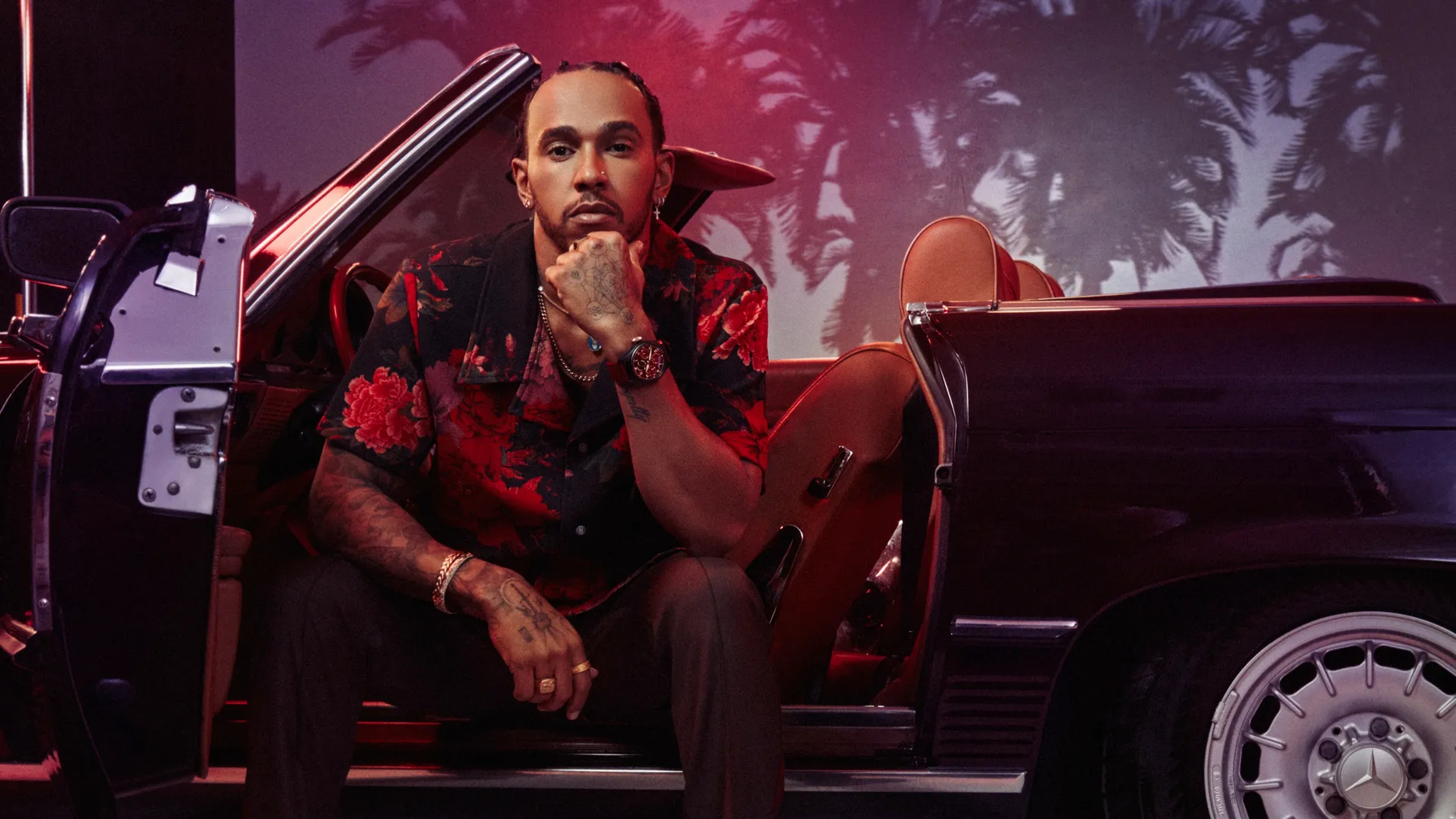
Sometimes the quickest way into a community is through someone it already loves. Lando Norris is a great example. F1's audience is younger and more online than ever, and Lando has always felt like one of them, gaming streams and memes included. Winning the world title last year only made that bond stronger.
That's why our work with Lando for Hilton was never about sticking a famous face on a hotel ad. Hilton has been with McLaren since 2005, so the relationship is real, and the content leans into that. It feels like Lando being Lando, which is exactly what his supporters turn up for.
Where we come in
This is what we think about all day at Pintsized Studios. We're the social-first side of NM Productions, built for briefs that land on a Tuesday and need to be live by Thursday, with a proper production team behind us so fast never means sloppy.
Bring us the problem and we'll build the team to sort it. Our work with Tommy Paul for Hilton and our FIFA content are good places to see it in action.
What fast actually looks like
Everyone says they're fast, so here's what it means for us. Something happens on a Saturday night, maybe a last-minute winner or a clip that's suddenly everywhere. By Monday morning we're on a call with the brand, working out whether it's right for them and what the angle should be.
From there it's a small team making quick decisions. The idea gets agreed in a conversation, not a deck. Talent and locations come from people we already know and trust, so nobody's starting from scratch. Edits get checked on a phone, because that's where they'll be watched.
None of that works without some groundwork. The brands that move quickest usually have approvals agreed upfront and a clear sense of what they will and won't say. Get that sorted early and you can be part of the moment, not catching up with it a week later.
Got something worth getting excited about?
If you've got a moment coming up or a community you'd love to be part of, come and have a chat. Not everything fits neatly in a box. That's where big ideas go pintsized 👀